Calcium,Buildup,Silent,Pool,Tile,Destroyer
calcium build up on pool tile, calcium build up on glass pool tile, why does calcium build up on pool tile, how to remove calcium build up on pool tile, calcium deposit removal pool tile, how to remove heavy calcium build up on pool tile, remove calcium buildup on pool tile, calcium stains on pool tile, how to get rid of calcium build up on pool tile, what causes calcium buildup on pool tile
Calcium Buildup: The Bane of Pool Tile Aesthetics
If you're an avid pool owner, you've likely encountered the dreaded calcium buildup that plagues pool tiles. It's a frustrating sight that can not only mar your pool's appearance but also affect its function. Read on to understand the causes, consequences, and remedies for calcium buildup on pool tile.
The Unsightly Scourge
Calcium buildup manifests as white, chalky deposits that cling to pool tiles, making them look dull and unkempt. Aside from the aesthetic implications, it can also hinder the effectiveness of pool chemicals, potentially compromising water quality and creating a breeding ground for bacteria.
The Source of the Problem
Calcium buildup arises from the combination of calcium-rich water and high pH levels in the pool. When these conditions persist, calcium salts precipitate out of the water and adhere to pool surfaces. Hard water, alkalinity, and improper chemical balance are common culprits.
Combating the Build Up
To combat calcium buildup, it's essential to maintain optimal water chemistry. Regularly test and adjust pH levels to between 7.2 and 7.8, and keep alkalinity within the recommended range. Additionally, using a sequestrant can help dissolve existing calcium deposits and prevent further accumulation.
By addressing the underlying causes and implementing preventive measures, you can effectively control calcium buildup on pool tile. Enjoy a sparkling, pristine pool that enhances both your backyard aesthetics and swimming experience.
Understanding Calcium Buildup on Pool Tile
What is Calcium Buildup?
Calcium buildup, also known as scale, is a common problem in swimming pools. It occurs when dissolved calcium minerals in the pool water adhere to surfaces within the pool, like tile. This can create an unsightly and rough texture, making the pool less enjoyable to use.
How Does it Happen?
Calcium buildup is a natural process caused by high levels of calcium carbonate in the pool water. When the water evaporates, these minerals are left behind and can accumulate on surfaces over time. Other factors that can contribute to calcium buildup include:
- High pH levels: pH levels above 7.8 can cause calcium to precipitate out of the water.
- High water temperature: Warmer water encourages calcium scale formation.
- Improper water balance: Maintaining proper water chemistry helps prevent calcium buildup.
Personal Experience
I have personally experienced calcium buildup on my pool tile. Despite regularly cleaning and maintaining the pool, I noticed white, crusty deposits forming on the surface of the tiles. It made the pool look uninviting and rough to the touch.
Prevention
To prevent calcium buildup on pool tile, it's crucial to:
- Maintain balanced water chemistry: Keep the pH level between 7.2 and 7.8, and maintain proper levels of free chlorine or bromine.
- Control water temperature: Keep the water temperature below 84°F (29°C).
- Use a sequestering agent: These chemicals bind to calcium ions, preventing them from adhering to surfaces.
Image: 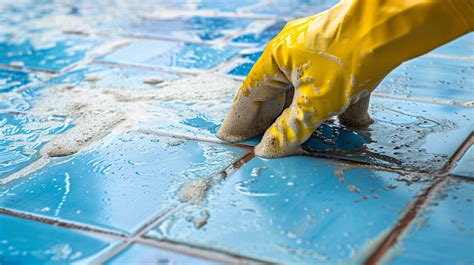
Removal
If calcium buildup has already formed, there are several methods to remove it:
- Acid washing: This involves using a muriatic acid solution to dissolve the calcium. It's important to follow the manufacturer's instructions carefully and take safety precautions.
- Scrubbing: Using a pumice stone or a brush can manually remove calcium buildup. However, this can be time-consuming and requires effort.
- Chemical removers: Commercial calcium removers can be purchased specifically designed to dissolve scale without damaging the tile surface.
Image: 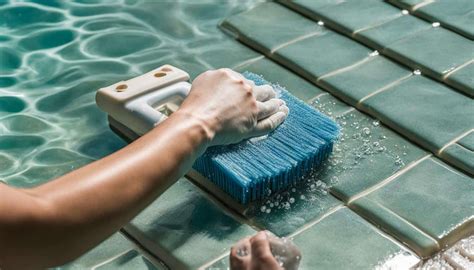
Conclusion
Calcium buildup on pool tile is a common but preventable problem. By understanding the causes and taking preventative measures, you can maintain a clean and inviting pool for years to come. If calcium buildup does occur, it can be removed using various methods, allowing you to restore your pool's pristine appearance.
.