Above,Ground,Pool,Electrical,Codes,Ensure,Safety,Prevent,Hazards
above ground pool electrical code, above ground pool building code, above ground pool electrical requirements, nys above-ground pool electrical code, above ground pool wiring requirements, above ground pool pump electrical requirements, nj above ground pool electrical requirements, above ground swimming pool electrical requirements, indiana above ground pool electrical requirements, massachusetts electrical code above ground pool
Attention all above-ground pool owners!
Are you ready to dive into the crystal-clear waters of your own backyard paradise? Before taking that refreshing plunge, it's crucial to ensure your pool's electrical system meets code requirements. Why? Because ignoring these safety regulations can lead to accidents, property damage, and even electrocutions.
Don't let electrical hazards spoil your summer fun!
Above-Ground Pool Electrical Code: What You Need to Know
The electrical code for above-ground pools aims to prevent electrical shock, fires, and other safety hazards. It dictates specific regulations for wiring, bonding, grounding, and equipment installation. These measures are in place to ensure your pool is safe for swimmers and those operating or maintaining it.
Main Points:
- All electrical work must be performed by a licensed electrician.
- GFCI outlets and breakers are required for all pool equipment, including pumps, filters, and lighting.
- The pool must be properly bonded and grounded to prevent electrical shocks.
- Conduit must be used to protect electrical wires from damage.
- Lighting fixtures must be installed in accordance with NEC (National Electrical Code) requirements.
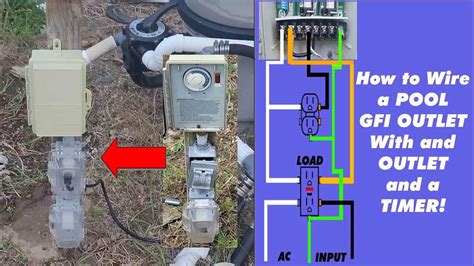
Installing an above ground pool can be a great way to enjoy the summer months, but it's important to make sure that your pool is installed and maintained in accordance with the electrical code. The National Electrical Code (NEC) is a set of standards that are designed to ensure the safety of electrical installations, including those for above ground pools.
Sub-Panel Requirements
One of the most important requirements of the NEC for above ground pools is that they must have a dedicated sub-panel. This sub-panel must be located at least 5 feet away from the pool, and it must be accessible from the outside of the pool area. The sub-panel must also be protected by a circuit breaker or fuse that is sized to the amperage of the pump and other electrical equipment that is connected to the pool.
GFCI Protection
All electrical outlets and switches that are located within 5 feet of the pool must be protected by a ground fault circuit interrupter (GFCI). A GFCI is a device that trips the power when it detects a ground fault, which can help to prevent electrical shock.
Bonding
All metal parts of the pool, including the frame, ladder, and pump, must be bonded together with a copper bonding wire. This bonding wire helps to equalize the electrical potential of all of the metal parts of the pool, which can help to prevent electrical shock.
Proper Wiring
All electrical wiring for the pool must be buried underground or run through a conduit. The wiring must be protected from damage, and it must be installed in accordance with the NEC.
Inspection
Before you use your pool, it is important to have it inspected by a licensed electrician to ensure that it is installed and maintained in accordance with the NEC. The electrician will check all of the electrical components of the pool, including the sub-panel, GFCI protection, bonding, and wiring.
Safety First
Following the NEC for above ground pools is essential for ensuring the safety of your pool. By following these requirements, you can help to prevent electrical shock and other accidents.
Personal Experience
When I installed my above ground pool, I made sure to follow all of the NEC requirements. I had a licensed electrician install the sub-panel and GFCI protection, and I bonded all of the metal parts of the pool. I also had the pool inspected by an electrician before I used it. By following these safety precautions, I can be confident that my pool is safe for my family and friends to enjoy.
Conclusion
The NEC is a set of standards that are designed to ensure the safety of electrical installations. By following the NEC for above ground pools, you can help to prevent electrical shock and other accidents.